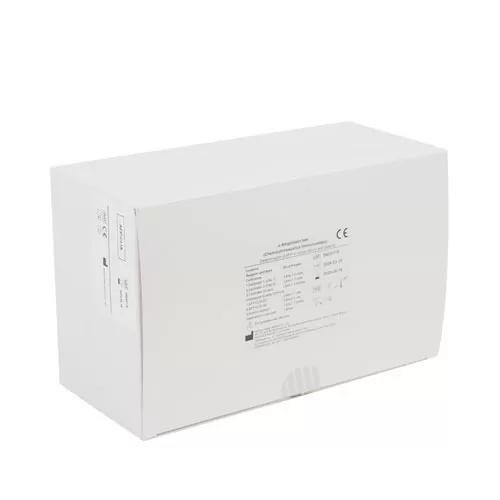
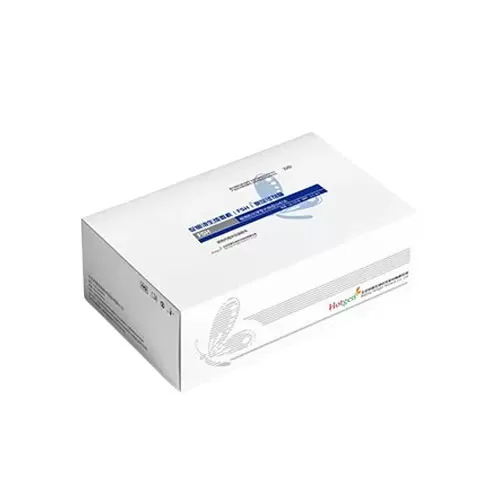
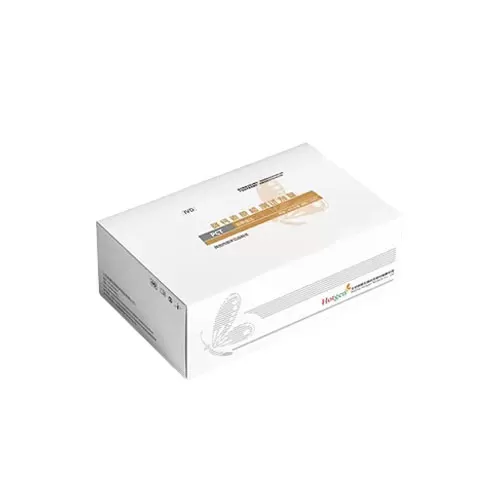
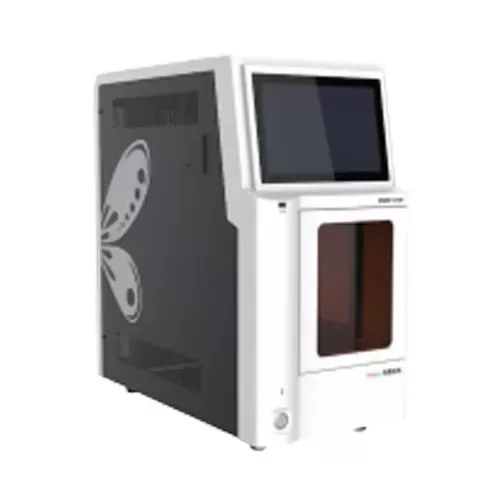
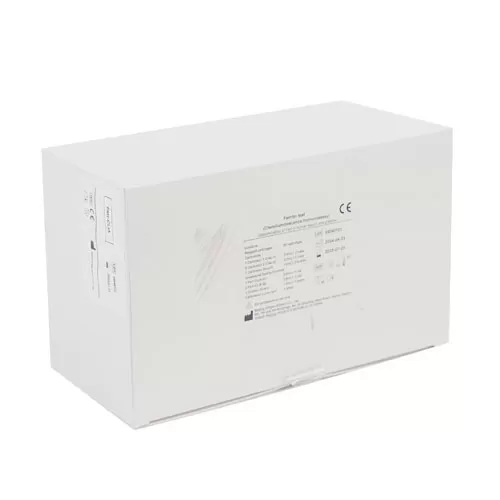
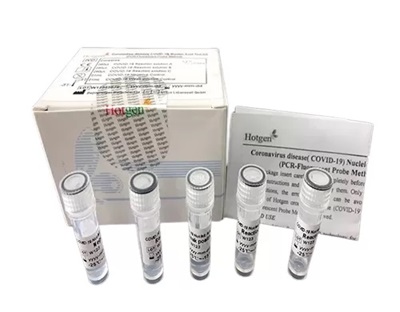
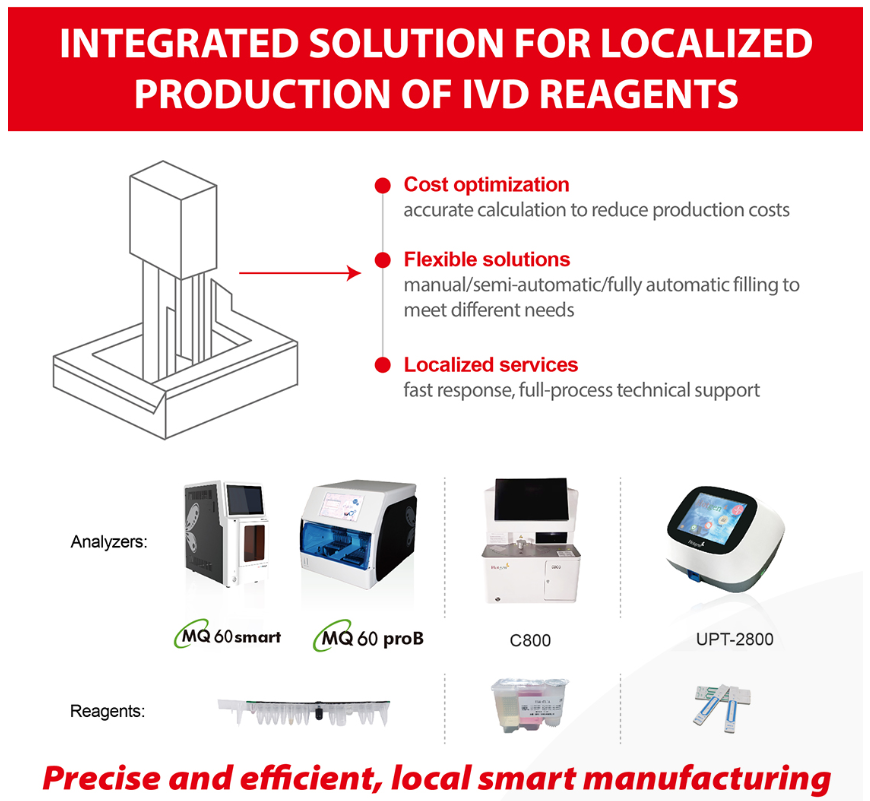
A chemiluminescence immunoanalyzer is a medical device used to detect the concentration of specific substances in the human body. Also known as an immunoanalyzer, it operates based on immune responses to detect an analyte. Chemiluminescence immunoassay (CLIA) technology utilizes the properties of chemiluminescent substances, such as luciferase, which convert chemical energy into light energy, producing a detectable light signal. When a targeted substance binds to a specific antibody, it excites the chemiluminescent substance, causing it to emit light. The intensity of this emitted light is measured by the instrument, which then calculates the concentration of the analyte. This technology is widely used in clinical diagnostics to measure a variety of biomarkers, such as hormones, viruses, and tumor markers. It offers advantages including high sensitivity, specificity, and accuracy, enabling healthcare providers to make rapid and precise diagnostic and therapeutic decisions.
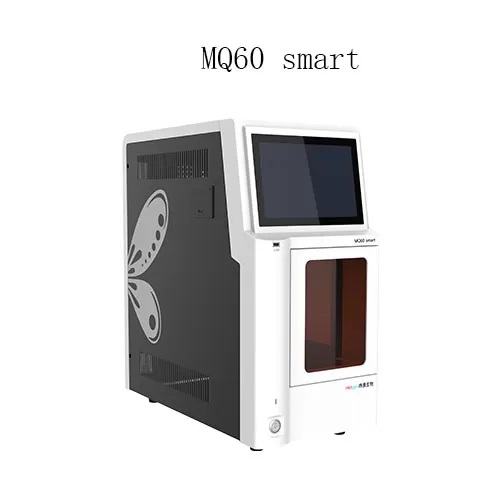
Chemiluminescence Immunoassay Analyzer Principle
Chemiluminescence immunoassay machine rely on both chemiluminescence technology and immunological detection principles. Initially, biomolecules in a sample—such as proteins, hormones, or viruses—bind to specific antibodies, forming immune complexes. Next, specific chemicals, such as peroxides or enzymes, are introduced to the sample. These chemicals react with the immune complexes to produce chemiluminescence. The intensity of the chemiluminescence generated is directly proportional to the concentration of the biomolecule in the sample. The intensity is measured by a chemiluminescence photometer, which quantifies the biomolecules in the sample, allowing for precise measurement of analyte concentration.
Chemiluminescence Immunoassay Analyzer Considerations
Instrument Operation: Prior to using a chemiluminescence immunoanalyzer, proper training on its operation is essential. Users must be familiar with the instrument's functions and ensure it is operated correctly to guarantee accurate test results.
Sample Processing: For blood samples, it is crucial to follow strict operating protocols during sample preparation, including proper blood collection, centrifugation, and aliquoting. This ensures sample quality and minimizes errors in test results.
Reagent Storage: Reagents used in chemiluminescence immunoassay machine should be stored under controlled temperature and humidity conditions to prevent degradation due to exposure to light, contamination, or other environmental factors. Proper reagent storage is key to maintaining reagent effectiveness and ensuring the accuracy of test results.
Quality Control Management: To ensure the accuracy and reliability of test results, rigorous quality control measures must be implemented. This includes quality control for each batch of reagents and daily instrument calibration to test the stability and performance of both the reagents and the instrument.
Data Processing: The results generated by chemiluminescence immunoassay machine require proper data processing. This includes interpreting the results correctly and standardizing them to ensure the results are reliable and consistent.
Contraindications for Use
Certain conditions may affect the accuracy of test results obtained from chemiluminescence immunoassay machine:
Severe Anemia: Some biochemical markers detected by chemiluminescence immunoassay analyzers may be influenced by anemia, potentially leading to inaccurate readings.
Severe Liver Dysfunction: As the liver plays a key role in metabolizing certain biomarkers, severe liver dysfunction can impact the test results, leading to potential inaccuracies.
Severe Renal Dysfunction: Similarly, the kidneys are involved in the metabolism of some biomarkers. Severe renal dysfunction may interfere with the accuracy of results.
Immunodeficiency Diseases: In patients with immunodeficiency disorders, abnormalities in the immune system can compromise the reliability of immune-related markers, which can affect test outcomes.
Certain Oncology Conditions: Some cancerous conditions may interfere with the accuracy of tumor marker detection, leading to potential misinterpretation of test results.
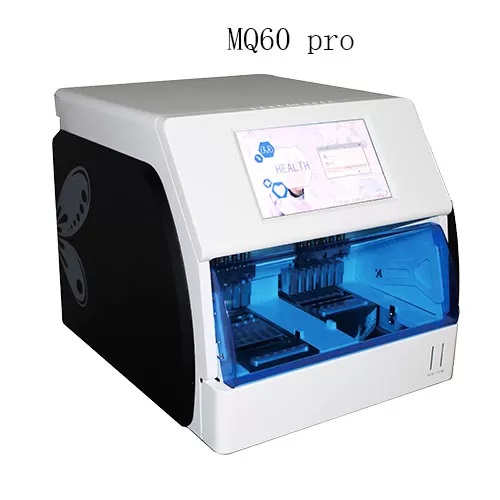
Chemiluminescence Immunoassay Analyzer Functions
Chemiluminescence Immunoassay Analyzers offer high sensitivity, specificity, and a broad range of applications in various fields, including biomedical research, diagnostics, and therapeutic monitoring. In clinical diagnostics, chemiluminescence immunoassay machine are used to detect antibodies and antigens for pathogens such as the hepatitis virus, HIV, and influenza A virus. This aids doctors in diagnosing and determining the treatment plan for infectious diseases. In the pharmaceutical industry, chemiluminescence immunoassay analyzers are utilized in drug development for screening the efficacy and toxicity of potential drug candidates, helping to accelerate the development of new medications. By providing accurate and reliable test results, chemiluminescence immunoassay machine contribute significantly to advancing medical research and improving patient care.
 English
 français
 Deutsch
 Español
 ไทย
ไทย русский
 português
 العربية
 Indonesia