What is Dengue Fever?
Dengue fever is an acute infectious disease caused by the dengue virus, which is transmitted through the bite of infected Aedes mosquitoes, primarily in tropical and subtropical regions.
The typical symptoms of dengue fever include sudden high fever, headache, muscle and joint pain, rashes, and in some cases, bleeding from the gums or nose.
Most patients recover within 1-2 weeks, but a small percentage may develop severe forms of the disease, such as dengue hemorrhagic fever or dengue shock syndrome, which require prompt medical intervention.
What is the Dengue Fever Rapid Test Kit?
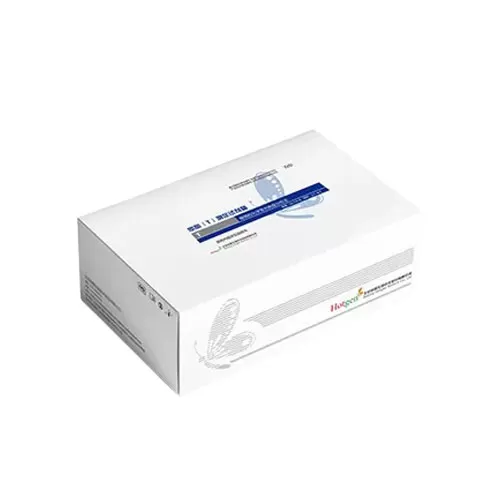
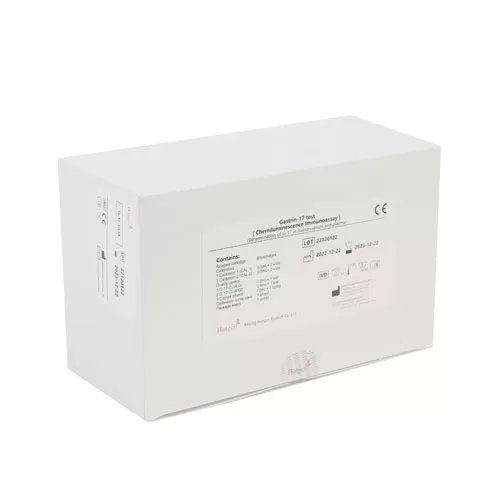
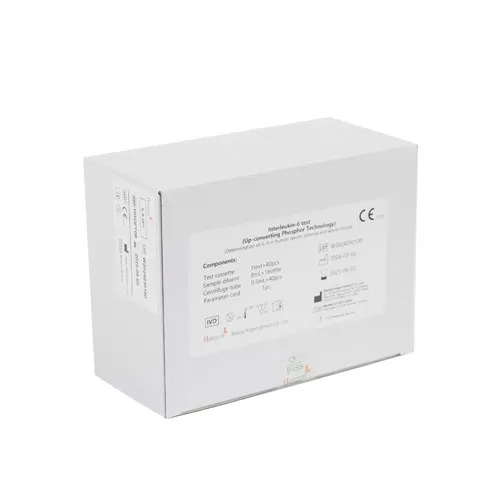
A dengue fever rapid test kit is a point-of-care diagnostic tool that detects specific biomarkers related to the dengue virus (such as the NS1 antigen and IgM/IgG antibodies) in human blood to determine if a person is infected.
Common types of tests in the kit include:
NS1 Antigen Test: Sensitive during the early phase of infection (usually 1-7 days post-symptom onset), suitable for early screening.
IgM Antibody Test: Indicates recent infection, typically detectable around 1 week after symptom onset.
IgG Antibody Test: Indicates past infection or immunity; not suitable for diagnosing acute infection.
Combined NS1 + IgM/IgG Test: Offers a more comprehensive assessment of early and recent infection.
Advantages:
Simple operation, no need for complex instruments.
Fast results (typically in 10-15 minutes).
Suitable for primary healthcare, community screenings, and self-testing after travel.
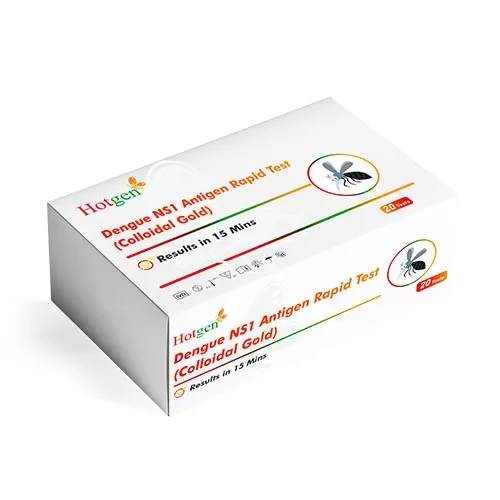
How to Use the Dengue Fever Rapid Test Kit
Preparation:
Wash hands thoroughly.
Ensure the test kit is within its expiration date and the packaging is intact.
Prepare alcohol swabs, lancets, test tubes, or capillary pipettes as required.
Blood Sample Collection:
Use an alcohol swab to clean the fingertip.
After the alcohol evaporates, use a lancet to gently puncture the fingertip and squeeze out a small amount of blood.
Sample Application:
Use a capillary pipette to draw the blood and apply it to the sample well of the test cassette as per the instructions. Some kits may require a buffer solution to be added as well.
Waiting Period:
Place the test kit on a flat surface and wait for 10-15 minutes. During this time, avoid disturbing or tilting the kit.
Interpretation of Results:
The control line (C-line) must appear to indicate that the test is valid. If no C-line appears, the test is invalid, and a retest is required.
A test line (T-line) that appears indicates a positive result, while its absence suggests a negative result. Refer to the instruction manual for specific line positions, as they may vary for different biomarkers.
Post-Test Handling:
Properly dispose of used lancets, test strips, and other materials as medical waste to avoid cross-contamination.
Functions and Suitable Scenarios for the Test Kit
Rapid Screening:
In cases of fever with rashes, joint pain, or other suspicious symptoms, the rapid test kit can quickly identify whether dengue fever is a likely cause, helping to facilitate timely medical consultation and mosquito control measures.
Epidemiological Surveillance:
In community settings, schools, workplaces, or construction sites where suspected cases may arise, the test kit can be used for quick screening to prevent further spread.
Post-Travel Self-Testing:
Individuals who have returned from regions endemic to dengue fever and develop symptoms like fever can use the kit for initial screening, followed by a medical consultation for confirmation.
Supplementary Diagnosis:
The test results provide useful references for doctors in diagnosing dengue fever, though it cannot replace hospital-based PCR testing or serological confirmation.
Important Reminders
Timing of the Test is Crucial:
NS1 is more easily detected in the early phase of infection (usually 1-7 days post-symptom onset). IgM levels typically rise around 1 week after infection. Testing too early or too late may result in false negatives.
Careful Result Interpretation:
Positive Result: Suggests possible dengue fever infection. Seek immediate medical consultation for confirmation through clinical evaluation and laboratory tests.
Negative Result: Does not rule out infection, especially during the early stages of illness or in cases of incorrect testing. If symptoms persist or worsen, medical consultation and further testing are recommended.
Proper Testing Procedure:
Always follow the manufacturer's instructions carefully to ensure accurate results. Avoid adding too much or too little sample, and ensure the test is completed within the prescribed time frame.
Mosquito Control is Essential:
Even with a negative test result, if symptoms like fever appear, it is crucial to continue mosquito control measures to avoid becoming a source of transmission.
Warning Signs for Severe Cases:
If persistent high fever lasts for more than 3 days, or if severe headache, eye pain, bleeding (e.g., gums, nose), vomiting, fatigue, or blood pressure drop occurs, seek immediate medical attention.
Daily Prevention Recommendations
Prevent Mosquito Bites:
Use mosquito repellents (such as those containing DEET or Picaridin), wear long sleeves and pants, install window screens, and use mosquito nets where applicable.
Eliminate Mosquito Breeding Sites:
Regularly remove standing water from containers around the home, such as flower pot trays, water buckets, and discarded tires, to reduce mosquito breeding.
Travel Protection:
Before traveling to areas with dengue outbreaks, check for local conditions and take necessary mosquito protection measures. If symptoms develop after returning, perform self-screening and seek medical attention promptly.
Conclusion
The dengue fever rapid test kit is a convenient screening tool that helps quickly assess whether symptoms may indicate dengue fever, enabling timely medical consultation and mosquito control actions.
Proper usage and result interpretation are essential: a positive result requires further medical confirmation, while a negative result should not be ignored if symptoms persist.
The core preventive measures to combat dengue fever include mosquito control and eliminating standing water to reduce mosquito exposure.
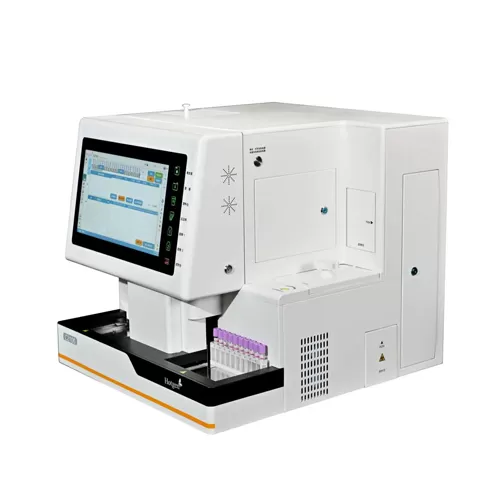
Hotgen is dedicated to the development of diagnostic reagents in the public safety field. With expertise in immunology and nucleic acid testing platforms, we have developed a range of diagnostic products for biological warfare agents and infectious diseases. As a leading dengue rapid test kit manufacturer, we are widely recognized in the public safety and disease prevention sectors by health and medical organizations, including the National Center for Disease Control and Prevention.
 English
 français
 Deutsch
 Español
 ไทย
ไทย русский
 português
 العربية
 Indonesia