Understanding the Role of IVD Diagnostic Kits in Modern Medicine
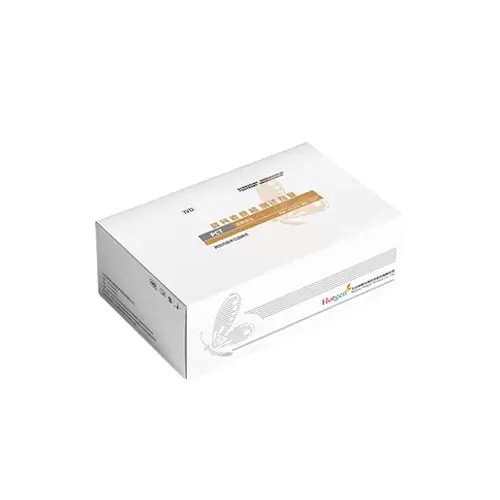
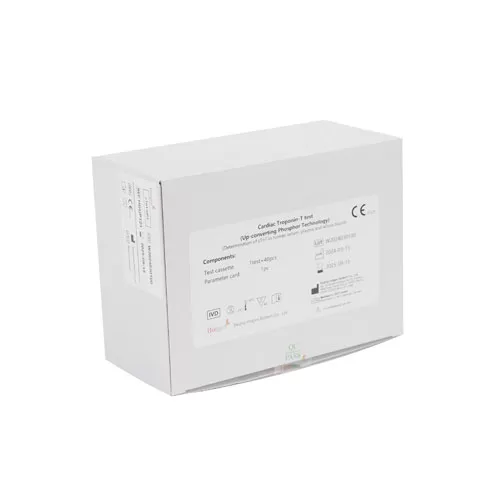
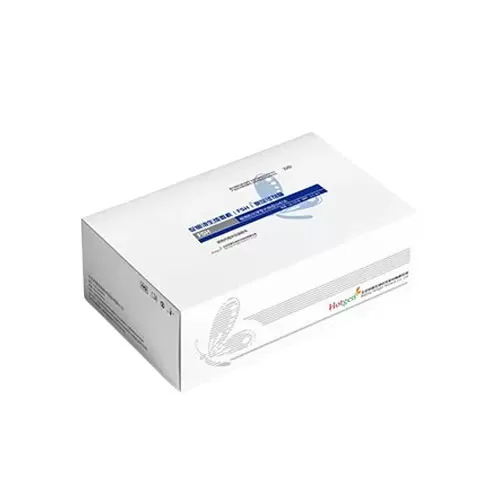
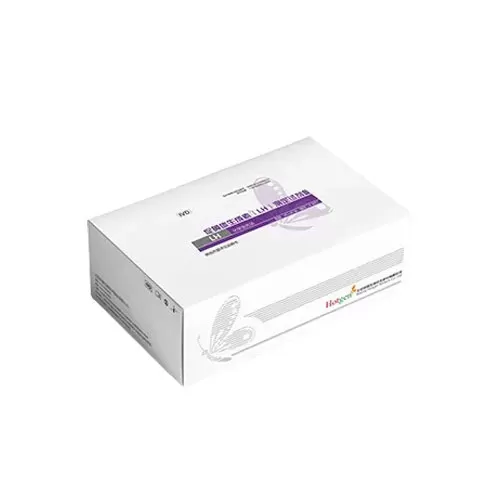
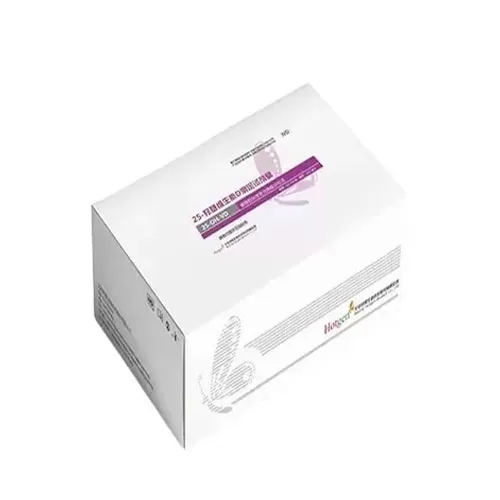
The use of in vitro diagnostic (IVD) kits has become a cornerstone of laboratory and clinical diagnostics, enabling physicians to detect, monitor, and evaluate diseases with accuracy and speed. These kits are designed to analyze biological samples such as blood, serum, or urine, providing valuable insights into a patient's health status. Hotgen Biotech has developed an extensive range of IVD diagnostic kits to support diverse clinical needs, including thyroid function testing, cardiovascular monitoring, and oncology biomarker detection. By integrating advanced biotechnological methods with automation, Hotgen ensures its diagnostic solutions deliver high precision and reliability, allowing healthcare providers to make informed medical decisions in a timely manner.
Proper Usage of IVD Diagnostic Kits in Clinical Practice
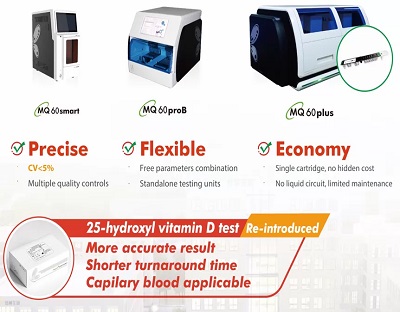
The effectiveness of IVD diagnostic kits largely depends on their correct usage in laboratory or point-of-care settings. Each kit comes with detailed instructions for sample collection, preparation, and handling to ensure test accuracy. For example, chemiluminescence analyzers such as Hotgen's MQ60 series and C800 require properly prepared samples and appropriate calibration before analysis. Similarly, up-converting POCT devices (UPT series) demand strict adherence to operating procedures to maintain sensitivity and specificity. Typical procedures involve specimen collection, reagent application, incubation, and result interpretation using automated or semi-automated platforms. Following these steps carefully minimizes errors and ensures that IVD diagnostic kits produce consistent and clinically valid results.
Precautions in Handling IVD Diagnostic Kits
Although IVD diagnostic kits are designed for reliability, proper handling requires strict compliance with laboratory standards and safety protocols. Biological specimens should always be treated as potentially infectious, making the use of personal protective equipment essential. Reagents included in IVD kits must be stored under specified conditions, such as controlled temperature and humidity, to preserve their stability and functionality. Proper labeling and tracking of samples are also critical to avoid cross-contamination or misinterpretation of results. While Hotgen emphasizes rigorous quality assurance across its product line, user diligence remains essential to ensure optimal performance of diagnostic kits in diverse healthcare environments.
Factors Affecting Accuracy and Reliability of IVD Diagnostic Kits
The accuracy of IVD diagnostic kits can be influenced by multiple factors, including sample quality and environmental conditions during testing. For example, hemolyzed or lipemic samples may interfere with assay performance, leading to incorrect readings. Inconsistent reagent handling or deviations from specified incubation times can also compromise test reliability. Automated chemiluminescence analyzers help reduce human error, but consistent calibration and maintenance are still necessary. Additionally, healthcare providers should consider patient-specific factors, such as medication use or underlying conditions, that may affect test results. By recognizing and managing these variables, the application of IVD diagnostic kits becomes more precise and clinically meaningful.
Integration of IVD Diagnostic Kits into Advanced Healthcare Systems
IVD diagnostic kits now play a central role beyond routine laboratory testing, forming an integral part of modern healthcare systems that emphasize efficiency, scalability, and precision medicine. High-throughput platforms like Hotgen's C800 series support mass screening in hospital laboratories, while compact analyzers and POCT devices enable rapid diagnostics in smaller clinics or near-patient settings. Integrating these kits into healthcare workflows allows for timely disease detection, continuous monitoring, and improved treatment planning. As global healthcare evolves, IVD diagnostic kits will play an increasingly critical role in bridging the gap between early disease recognition and personalized therapeutic strategies.
 English
 français
 Deutsch
 Español
 ไทย
ไทย русский
 português
 العربية
 Indonesia