Understanding Monkeypox: A Re-Emerging Global Health Concern
Monkeypox is a zoonotic viral disease caused by the monkeypox virus. Historically, it has been endemic in Central and West Africa, but since May 2022, the infection has spread rapidly across many non-endemic regions. Between January 2022 and July 31, 2024, 121 countries have reported 103,048 confirmed monkeypox cases, including 229 deaths. This global spread highlights the critical need for rapid detection tools such as monkey pox test kits to support early diagnosis and control efforts.
Transmission Routes of Monkeypox
Monkeypox virus enters the body mainly through mucous membranes or broken skin. It spreads through multiple pathways:
Direct contact with lesions on the skin or mucous membranes of infected individuals (including touching, hugging, kissing, and sexual contact).
Indirect contact through contaminated materials such as clothing, bedding, or surfaces.
Respiratory exposure, particularly through prolonged close-range inhalation of respiratory droplets.
Animal-to-human transmission, via bites, scratches, or contact with respiratory secretions, bodily fluids, or lesion exudates from infected animals.
Understanding these routes is essential for prevention and reinforces the importance of early detection using test kits for monkeypox.
Clinical Symptoms and Disease Progression
Following infection, the incubation period typically ranges from 5 to 21 days, with most cases developing symptoms within 6 to 13 days.
Early signs include:
The hallmark symptom is a progressive skin rash, commonly appearing on the face and limbs, though it may also involve the mouth, genital areas, and anus. Anal lesions may lead to secondary bacterial infections, abscesses, ulcers, and difficulty defecating.
Rapid self-screening with a reliable monkeypox test kit can help individuals suspecting infection seek medical care promptly and reduce transmission.
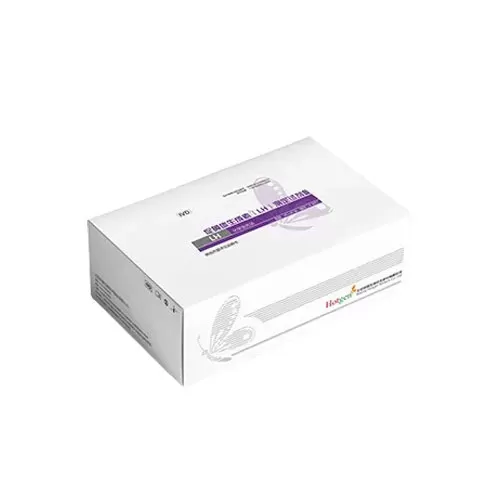
Hotgen Monkey Pox Test Kits: Rapid, Accurate, and Globally Certified
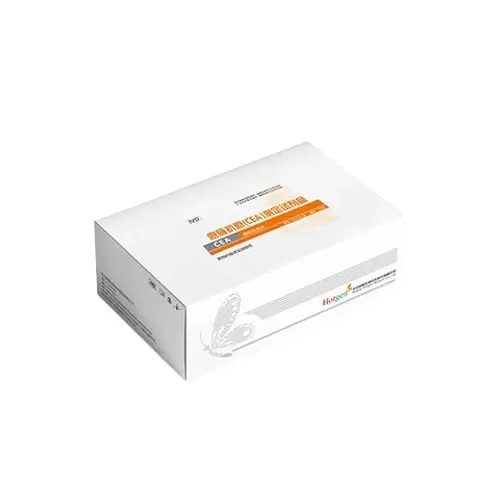
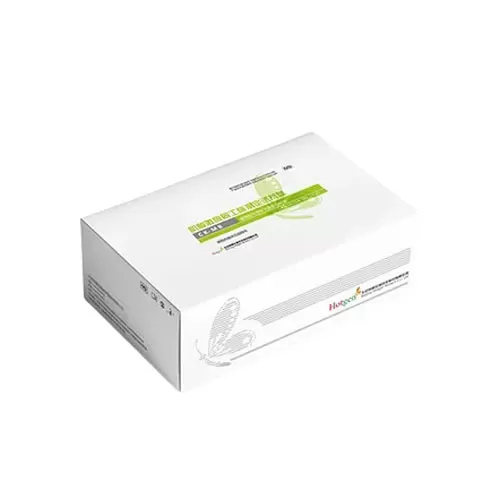
Hotgen continues to advance infectious disease diagnostics with its high-performance monkey pox test kits, designed to support early detection and efficient outbreak control. As the most common clinical sign of mpox (monkeypox) infection is skin lesions, Hotgen's Mpox Antigen Rapid Test Kit is engineered to detect viral antigens directly from skin lesion exudate, acne scab swabs, or nasal swabs—ensuring accurate results during the active infection stage.
Each test kit for monkeypox includes a thin, medical-grade swab that allows healthcare professionals to collect samples from skin lesions gently and effectively, improving specimen quality and detection sensitivity.
The Hotgen monkeypox test kit provides rapid and reliable diagnosis with the following key features:
Rapid detection of mpox virus antigen
15-minute test cassette for fast clinical decision-making
Simple, user-friendly operation with no additional equipment required
CE-IVD certification, demonstrating compliance with international regulatory standards
Available in 24-test box packaging, suitable for clinical settings, community screening, and epidemic response teams
With its combination of speed, accuracy, and global certification, Hotgen’s monkey pox test kits offer an essential diagnostic tool for healthcare providers worldwide, supporting rapid containment and improving patient outcomes.
Personal Protection Strategies
To minimize the risk of infection and contain global spread, individuals should take the following precautions:
For outbound travelers:
Monitor monkeypox updates in destination countries or regions.
Avoid contact with wildlife.
Avoid close contact with people showing suspected monkeypox symptoms.
Comply with exit-entry quarantine and inspection requirements.
For inbound travelers:
If arriving from regions with active monkeypox outbreaks—and experiencing fever, headache, back pain, muscle aches, lymph node swelling, rash, or mucosal lesions—declare symptoms to customs promptly and cooperate with health inspections.
Monitor personal health for 21 days after arrival. Seek medical attention immediately if monkeypox-like symptoms appear.
For the general public:
Maintain good personal hygiene, especially hand hygiene.
Stay informed about monkeypox prevention.
Reduce high-risk behaviors and avoid contact with symptomatic individuals.
 English
 français
 Deutsch
 Español
 ไทย
ไทย русский
 português
 العربية
 Indonesia