What is Monkeypox?
Monkeypox is an emerging infectious disease caused by the monkeypox virus, a member of the Orthopoxvirus genus within the Poxviridae family. It is a zoonotic disease, meaning it can spread from animals to humans, but it can also transmit between humans through close physical contact, respiratory droplets, or contaminated materials.
Clinically, monkeypox presents with symptoms that are similar to, though generally milder than, those of smallpox. These include fever, headache, muscle pain, lymph node swelling, and a distinctive rash that progresses through multiple stages before crusting over. Historically endemic to certain regions of Africa, monkeypox has recently been reported worldwide, emphasizing the importance of early detection and rapid diagnostic tools to contain its spread.
The Importance of Early Detection with Monkeypox Test Kits
Early and accurate identification of monkeypox cases is critical to prevent further transmission and initiate timely treatment. Monkeypox test kits are designed to detect the virus in clinical samples, typically obtained from skin lesions or swabs.
Rapid confirmation of infection enables healthcare providers to:
Isolate patients promptly.
Trace and monitor close contacts.
Implement targeted containment measures.
Given that monkeypox symptoms may overlap with other viral infections, reliable and rapid testing is indispensable for accurate diagnosis. This ensures patients receive appropriate medical care while reducing the risk of wider community outbreaks.
How Monkeypox Test Kits Work
Modern monkeypox test kits leverage advanced diagnostic technologies to deliver high sensitivity and specificity. The two most common approaches include:
Molecular detection methods (e.g., PCR), which identify viral genetic material.
Immunoassays, which detect viral antigens in patient samples.
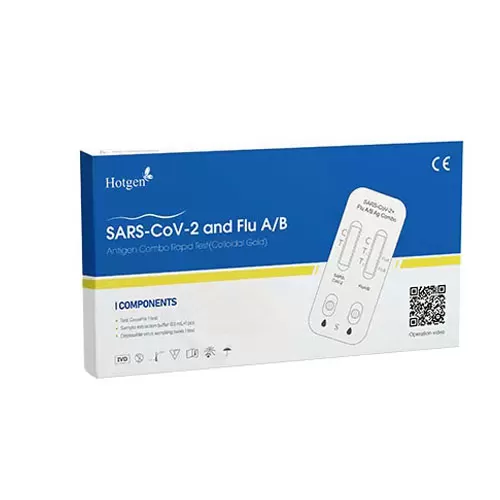
The typical testing workflow involves sample collection, reagent preparation and processing, and result interpretation within a few hours. Companies such as Hotgen Biotech have applied their expertise in in-vitro diagnostics to develop monkeypox test kits that are both reliable and user-friendly. These kits are suitable for clinical laboratories, field settings, and near-patient testing environments, enhancing global outbreak response capabilities.
Applications of Monkeypox Test Kits in Public Health
Monkeypox test kits are valuable not only for individual diagnosis but also for broader public health initiatives. Key applications include:
Outbreak surveillance: Large-scale testing helps map infection clusters and identify hotspots.
Travel screening: Detecting cases among travelers reduces the risk of cross-border transmission.
Research: Laboratories use test kits to study viral evolution, mutation patterns, and epidemiological trends.
By supporting clinical care, population monitoring, and scientific research, monkeypox test kits are integral to managing the challenges of emerging infectious diseases.
Ensuring Reliability and Safety in Monkeypox Testing
For test kits to provide meaningful results, accuracy, safety, and compliance with international standards are essential. Testing must be conducted by trained professionals under appropriate biosafety conditions. Performance depends on factors such as:
Results should always be interpreted in the context of clinical presentation and epidemiological data. Upholding these standards ensures that monkeypox test kits generate reliable insights to guide both patient management and public health strategies.
 English
 français
 Deutsch
 Español
 ไทย
ไทย русский
 português
 العربية
 Indonesia