Cytokines matter because they are signaling proteins that coordinate immune-cell activation, inflammation, tissue repair, and the return to immune balance. Measuring selected cytokines can provide information about the intensity and direction of an immune response earlier than some downstream indicators. However, cytokine results should be interpreted alongside clinical findings, conventional inflammatory markers, infection testing, and changes over time—not as stand-alone evidence of a specific disease.
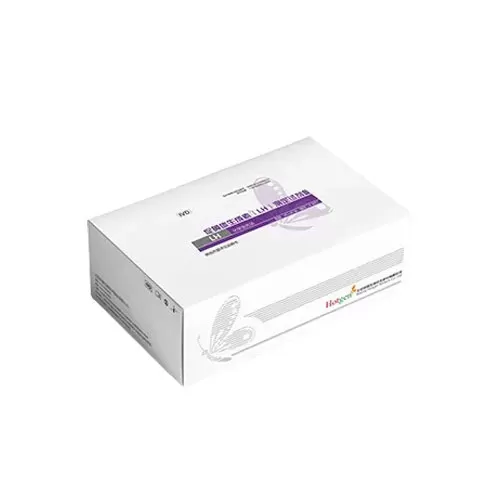
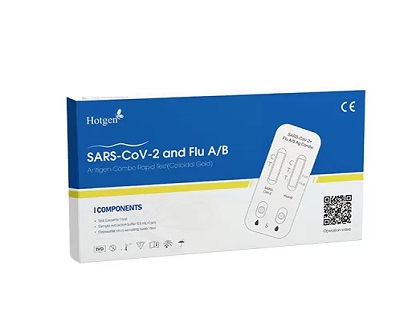
In clinical diagnostics, cytokine testing is particularly relevant when physicians need to evaluate systemic inflammation, distinguish different immune-response patterns, monitor disease progression, or assess the response to treatment. Hotgen supports these applications with chemiluminescence-based cytokine and inflammation assays designed for quantitative laboratory testing.
What Are Cytokines and Why Are They Important?
Cytokines are soluble proteins released by immune cells and other cell types in response to infection, injury, immune activation, or changes in the tissue environment. They act as communication signals, binding to receptors on target cells and influencing cell activation, proliferation, migration, differentiation, and survival.
Rather than working individually, cytokines operate through interconnected networks. A change in one mediator can trigger or suppress several others. This network behavior helps explain why a single cytokine value rarely provides a complete picture of a patient’s inflammatory status.
Cytokines are commonly grouped according to their biological roles:
| Cytokine group | Common examples | Main relevance |
|---|
| Pro-inflammatory cytokines | IL-1β, IL-6, TNF-α, IL-17A, IL-22, GDF-15 | Promote immune activation and inflammatory signaling |
| Anti-inflammatory cytokines | IL-10 | Limit excessive inflammation and support immune regulation |
| Chemokines | IL-8 | Guide immune cells toward inflamed or infected tissues |
| Immune-regulatory cytokines | IL-2, IL-2R, IL-4, IL-5, IFN-γ, IFN-α, IL-12p70 | Influence T-cell activity and adaptive immune responses |
The clinical significance lies in the balance between these signals. An effective immune response requires sufficient inflammation to control a threat, followed by regulation that prevents unnecessary tissue damage. Cytokine dysregulation has been associated with infections, autoimmune disorders, chronic inflammatory diseases, cancer, and other immune-mediated conditions.
Why Are Cytokines Useful as Inflammation Biomarkers?
Traditional inflammation biomarkers such as C-reactive protein and serum amyloid A often reflect downstream hepatic responses. Cytokines can provide complementary information because some are released earlier and participate directly in immune signaling.
For example, IL-6 is involved in fever, immune-cell activation, and the acute-phase response. Its concentration may change rapidly during an inflammatory event, making serial measurements potentially more informative than a single isolated result.
When selecting an inflammatory markers blood test, laboratories should consider how different biomarkers reflect distinct stages and mechanisms of the immune response. Cytokines may indicate active immune signaling, while acute-phase proteins reflect downstream systemic inflammation. Procalcitonin can support the assessment of bacterial infection in appropriate clinical contexts; cellular measurements provide information about leukocyte responses, and pathogen-specific tests may help identify the underlying infectious agent.
Combining complementary biomarkers can provide a more complete clinical picture than relying on one result alone. Hotgen’s inflammation portfolio includes markers such as CRP, PCT, and IL-6 across selected testing platforms.
How Can Cytokine Testing Support Clinical Decision-Making?
Quantitative cytokine testing can support clinical assessment in several ways.
Assessing the inflammatory response
Elevated cytokine levels may indicate increased immune activation. The pattern, magnitude, and duration of the increase can help clinicians understand whether the response appears localized, systemic, resolving, or persistent.
Monitoring changes over time
Cytokine concentrations can change quickly. Serial testing may therefore reveal whether inflammation is increasing, stabilizing, or responding to treatment. Trends are generally more informative than comparing one value with a reference interval.
Supporting risk assessment
Markedly abnormal cytokine patterns may be associated with severe systemic inflammation in certain clinical contexts. Results can contribute to risk assessment when combined with symptoms, vital signs, organ-function indicators, microbiological testing, and other laboratory findings.
Evaluating immune-modulating treatments
Cytokine measurements may help assess biological responses to anti-inflammatory or immunomodulatory therapies. Interpretation must account for the drug’s mechanism, treatment timing, and the patient’s underlying condition.
Research reviews support the potential use of cytokines as diagnostic, prognostic, monitoring, and treatment-response biomarkers, while also emphasizing that their clinical utility varies between diseases and assays.
Can Cytokine Testing Diagnose Inflammatory Diseases?
Cytokine testing generally cannot diagnose a specific inflammatory disease by itself.
Similar cytokine elevations can occur in bacterial or viral infections, autoimmune conditions, tissue injury, malignancy, and treatment-related immune activation. In addition, a patient may have significant localized inflammation without a substantial increase in circulating cytokine concentration.
An inflammatory markers test should therefore be selected according to the clinical question. When infection is suspected, cytokine and inflammatory-marker results may need to be interpreted with cultures, molecular assays, antigen tests, blood-cell counts, imaging, and organ-function measurements.
For autoimmune or chronic inflammatory diseases, clinicians may also consider disease-specific antibodies, complement levels, clinical scoring systems, and longitudinal biomarker patterns.
The purpose of testing is not to attach a diagnosis to one abnormal number. It is to reduce uncertainty by adding objective information to the overall clinical assessment.
What Factors Can Affect Cytokine Test Results?
Accurate cytokine measurement requires control of both analytical and pre-analytical variables. Cytokines may be present at low concentrations, change rapidly, or become affected by specimen handling.
Laboratories should evaluate:
Specimen type and collection tube
Time between collection and processing
Centrifugation procedures
Storage temperature and duration
Freeze-thaw cycles
Hemolysis, lipemia, or other interference
Assay calibration and quality-control performance
Differences between analytical platforms
Patient-related variables also matter. Age, medication, circadian rhythm, physical stress, disease stage, and treatment timing can influence immune-marker concentrations.
Because cytokine assays are not fully interchangeable, laboratories should avoid applying decision limits from one method directly to another without validation. Standardized procedures and consistent platforms are particularly important when serial results are used to monitor clinical changes.
How Does Chemiluminescence Support Cytokine Measurement?
A quantitative CLIA test combines specific antigen-antibody binding with sensitive light-based detection, enabling standardized measurement of cytokines and other inflammation-related biomarkers. Compatible automated systems can control reagent addition, incubation, magnetic separation, signal detection, and result calculation, helping laboratories improve analytical consistency, reduce manual intervention, and support efficient random-access testing.
A quantitative inflammation test kit used with a compatible CLIA platform can support:
Sensitive measurement of low-concentration analytes
Automated and standardized processing
Quantitative result reporting
Random-access laboratory workflows
Reduced manual intervention
Integration with laboratory information systems
Hotgen offers an extensive CLIA assay menu covering inflammation, cardiac disease, diabetes, oncology, and other clinical applications. The company also provides mono-test analyzer configurations intended to help laboratories match reagent use and processing capacity to actual demand.
Frequently Asked Questions
What is the difference between cytokines and inflammatory markers?
Cytokines are signaling proteins that directly regulate immune activity. The broader term “inflammatory markers” can also include acute-phase proteins, cellular indicators, enzymes, and other molecules that reflect inflammation without necessarily controlling it.
Is IL-6 a reliable inflammation biomarker?
IL-6 can provide useful information about immune activation and systemic inflammation, but it is not specific to one disease. Its value increases when interpreted with clinical findings, other biomarkers, and serial measurements rather than as an isolated result.
Are high cytokine levels always harmful?
No. Temporary cytokine production is necessary for controlling infection and supporting tissue repair. Problems may arise when cytokine activity is excessive, prolonged, poorly regulated, or directed against healthy tissue.
Why should multiple inflammation biomarkers be tested together?
Different biomarkers represent different stages and mechanisms of the immune response. Combining cytokines with CRP, PCT, blood-cell measurements, and pathogen-specific tests can provide a more clinically useful picture than relying on one marker alone.
Cytokines are valuable inflammation biomarkers because they provide a measurable view of immune communication. Their greatest clinical value comes from appropriate assay selection, controlled specimen handling, serial monitoring, and interpretation within a broader diagnostic framework. By integrating cytokine assays with complementary inflammatory markers, laboratories can support more informed evaluation of infections, systemic inflammation, and other inflammatory diseases.
 English
 français
 Deutsch
 Español
 ไทย
ไทย русский
 português
 العربية
 Indonesia